Application notes

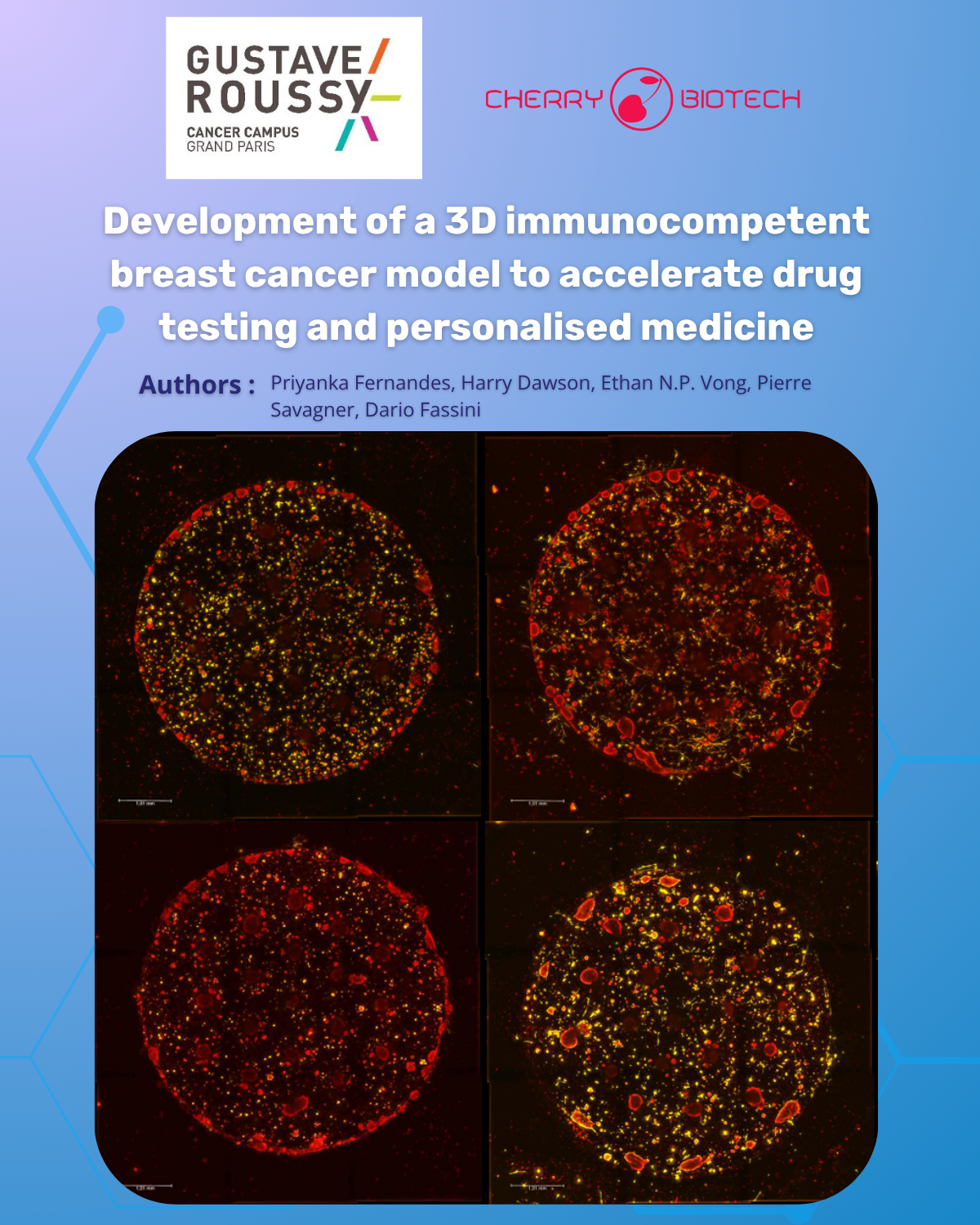
Scientific Poster – Development of a 3D immunocompetent breast cancer model to accelerate drug testing and personalised medicine

Authors: Priyanka Fernandes, Harry Dawson, Ethan N.P Vong, Pierre Savagner, Dario Fassini


Breast cancer remains one of the leading causes of cancer-related mortality in women. To address patient heterogeneity, overcome drug resistance, prevent metastasis, and improve treatment efficacy, personalized therapeutic approaches are gaining increasing importance. The tumour microenvironment (TME) plays a critical role in driving cancer progression and shaping therapeutic outcomes. However, most existing 3D in vitro models fail to adequately mimic tumour–stromal complexity.

We present our 3D immunocompetent breast cancer model, designed to support personalized medicine and drug screening with a human, physiologically-relevant platform capturing the tumor microenvironment interactions.

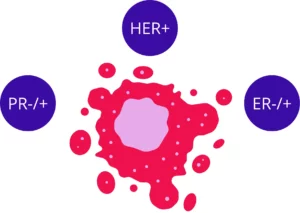
  • Luminal B breast cancer model from patient-derived xenograft cells (PDX) from individual resistant to first-line treatment, showcasing the potential for personalized therapy 
  • Fibroblasts and macrophages co-culture in ECM demonstrating the influence of the microenvironment on therapy resistance
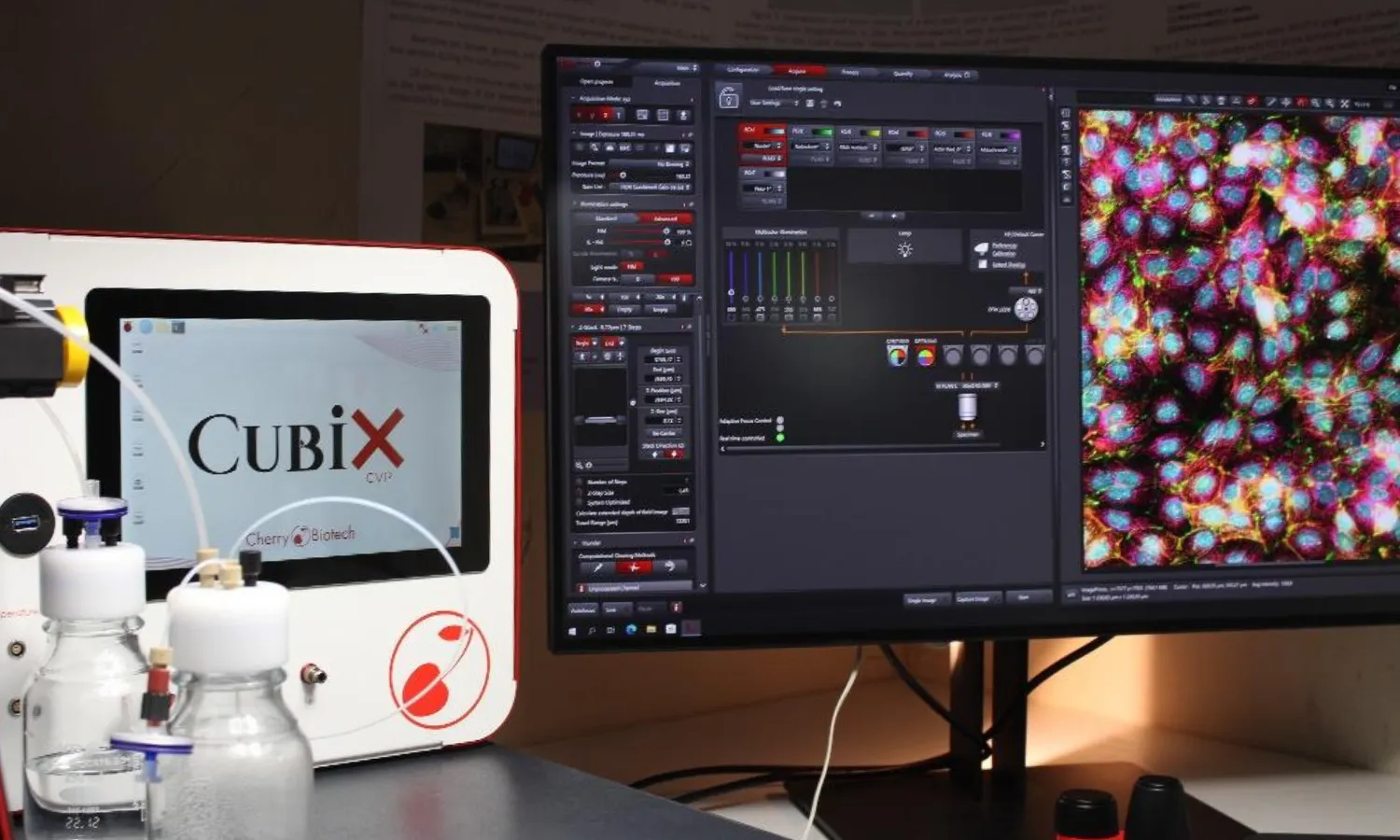
  • Integration of the model into our CubiX microphysiological system enabling real-time monitoring of oxygen, glucose, lactate and temperature
  • Evaluation of of chemotherapies using live imaging, biochemical assays, immunofluorescence and histology

Download our poster to see how our breast cancer model powered by our technology is supporting precision medicine and oncology research. 

The poster, titled: Development of a 3D immunocompetent breast cancer model to accelerate drug testing and personalised medicine – is free to download here. Don’t miss out!
breast-cancer-poster-mps-brussels-webpage

How to culture vascularized & immunocompetent 3D models in a standard Multiwell

Related Posts

Table comparing 3D liver cell models and their best uses. Rows: HepG2 spheroids: high scalability/HTS-ready, greater structural resistance, shift to quiescent tissue-like state; optimal for early HTS (acute cytotoxicity). HepaRG spheroids: high, stable CYP activity with robust induction; metabolically superior to HepG2; optimal for early–mid HTS (metabolism/DDI screening). PHH spheroids: gold-standard metabolic fidelity and weeks-long functional longevity; best correlation with in vivo CYP induction; optimal for late preclinical de-risking (chronic DILI, MoA).
From 2D to 3D: Restoring in vitro liver models functions...
In our previous article, we outlined the main in vitro liver models, immortalized cell lines such as HepG2 and HepaRG, alongside primary hep...
Read more
Immuno-oncology Trial Endpoints: Capturing Meaningful Activity...
Introduction In this paper, Anagnostou and colleagues “discuss endpoints used in I-O trials to date and potential optimal endpoints for f...
Read more
Semi-realistic medical illustration of a human liver with fatty deposits, showing yellow lipid droplets distributed throughout the tissue, representing hepatic steatosis (fatty liver disease).
Organoids for Lipid Metabolism: Organoid and Organ-on-Chip Models...
Understanding how the body processes fats is central to tackling obesity, type 2 diabetes, and fatty liver disease. Yet, traditional models ...
Read more

get in touch

Get the best insights about Cherry Biotech by Email Let’s stay in touch!
As part of our commercial prospecting, we may need to process your personal data. For more information, please consult our Privacy Policy
×

Our Associated Solutions

Banner

Need to generate real life like preclinical data with complex biological models?

Discover Cubix - Platform and Service
×

Contact Us!

Aside

We're happy to answer any questions you may have. Reach out to our team for assistance.

Contact Now