Breast Cancer

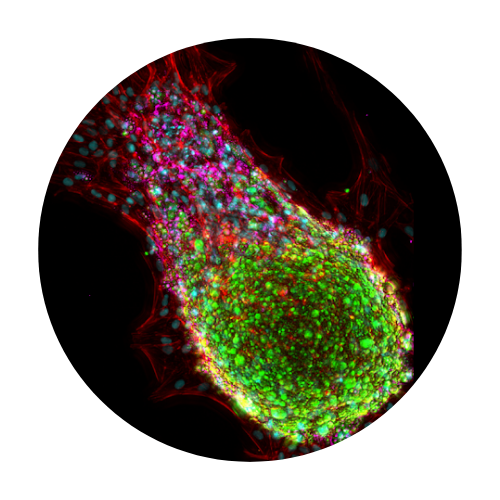
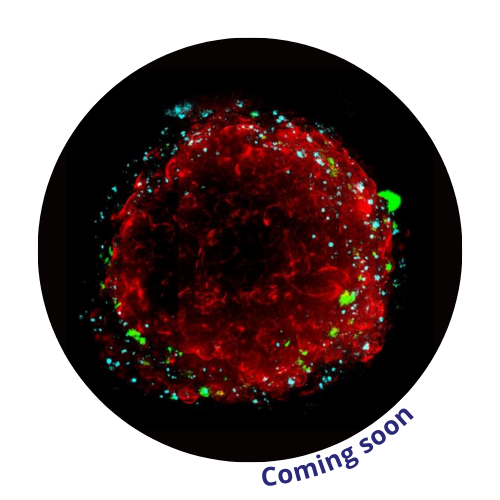
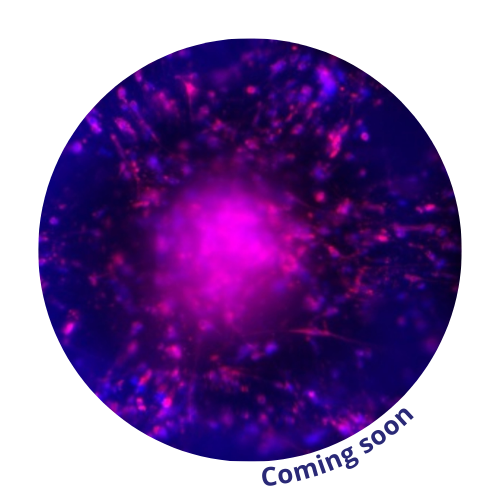
Human Immunocompetent Breast Cancer Organoid Model

  • Complex patient-derived tumor microenvironment 
  • Fully differentiated functional endothelial barrier
  • Rapid & cost-effective development
  • Immune competence

Schedule a Consultation with Our Experts

Application

  • Mechanisms of action
  • Target validation
  • Lead selection / optimization (ADCs, mutation targeting, cellular therapies/CAR-T, chromatin-modifying enzymes, PROTACS)
  • Translatability – De-risking clinical phase I/II trials

Endpoints

  • Real-time monitoring of tumor cell proliferation and survival (confocal microscopy, LDH, MTT)
  • Tumor morphology & architecture with high-resolution imaging
  • Immune cell infiltration & activation 
  • Endothelial barrier function (vascular integrity and drug permeability).
  • Dose-response and combination studies
  • Analysis of cell invasion and metastatic behavior
  • Target expression (e.g. TROP2, AR, HER3, ESR1 mutation, LAG-3, TIGIT, epigenetic, tumor metabolism inhibitor, neovascularization, endocrine resistance)

Unique
Cherry Biotech expertise

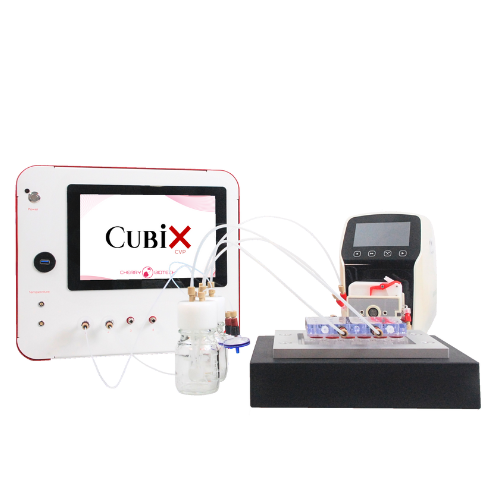
We offer fine-tuned control of the microenvironment with our CubiX platform for improved physiological relevance, robustness and reproducibility:

  • Complex & true-to-life co-culture of patient-derived breast cancer cells, fibroblasts/cancer-associated fibroblasts (CAF), immune cells, and endothelial cells embedded in extracellular matrix, simulating the in vivo tumor microenvironment (TME) more closely than standard models.
  • Fully differentiated functional endothelial barrier fostered by perfusion, providing realistic drug diffusion and nutrient exchange.
  • Rapid & cost-effective development enables meaningful results in just ~2 weeks—perfect for fast-paced clinical decisions and industrial R&D pipelines.
  • SmartSpheroPlates by 4DCell ensure uniform organoid formation and minimize variability across experiments for up to 2184 organoids per plate (< 6% size variation) 
  • Immune competence to study infiltration, activation, and therapeutic impact—ideal for immuno-oncology research.

Suited for multiple breast cancer subtypes and drug classes.

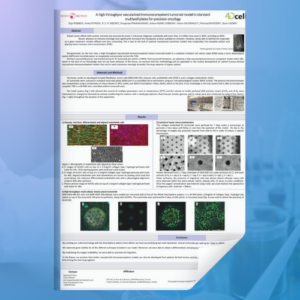
Scientific poster breast cancer organoids

SCIENTIFIC POSTER —
A high throughput vascularized immunocompetent tumoroid model in standard multiwell plates for precision oncology

Why breast cancer organoid models matter

Breast cancer affects both women and men and accounts for every 1 in 8 cancer diagnoses worldwide with more than 2,3 million new cases in 2020, according to WHO. 

Recent advances in immuno-oncology have significantly increased the therapeutic arsenal available to clinicians. However, being able to identify the responder to a given treatment remains difficult and time consuming. This is due to the lack of optimal translational preclinical models that recapitulate the complete cellular and physical tumor-immune microenvironment. 

By combining patient-derived breast cancer cells, CAF, immune cells, and endothelial cells co-embedded in an extracellular matrix, the human immunocompetent breast organoid model – an application of CubiX platform by Cherry Biotech – provides a state-of-the-art complete perfused breast cancer model for drug development and personalized medicine. 

Through fast, reliable, and patient-relevant results, we empower both clinicians seeking personalized therapy options and pharmaceutical companies driving innovation in oncology while reducing reliance on animal testing and supporting the 3Rs (Replacement, Reduction, and Refinement) in ethical research.

Other Organ Models

Adipose tissue 3d in vitro organ model cherry biotech
Adipose Tissue
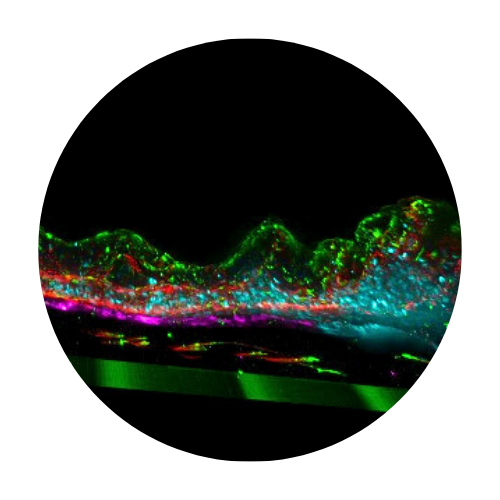
Skin
liver-3d-in-vitro-cherrybiotech
Liver
lung-spheroid-cherrybiotech
Lung
melanoma-cherrybiotech
Melanoma

Our Key to Achieve These Models in 3D

CubiX-mps-platform-cherrybiotech

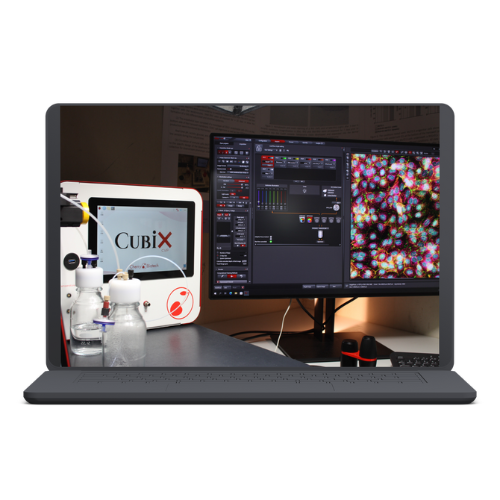
CubiX – Microphysiological (MPS) platform is the only microenvironment controller fully compatible with live imaging. It enables mimicking physiological and pathological culture conditions in vitro.

Scalable, highly customisable and user-friendly.

Ebook download - Cubix applications

download the complete applications of CubiX - Microphysiological platform

As part of our commercial prospecting, we may need to process your personal data. For more information, please consult our Privacy Policy

FAQ

Using the CubiX platform we can fine-tune the temperature, flow rate, shear stress and the dissolved gases (O2, CO2, N2) of the system to create the appropriate experimental conditions. Variables such as the pH, release of lactate, the O2 and the consumption of glucose can be monitored to ensure smooth experiment run. 

If you would like more detailed information on the features offered by the CubiX platform, visit our page.

Yes, the CubiX perfusion platform features a microfluidic perfusion lid (MPL) adapter compatible with standard 6 and 24 multi well plate and can accommodate Transwell inserts. The design enables transforming static cell culture in standard multiwell into a perfusion dynamic system.

Medium flow and the resulting shear stress are essential not only for the physiological alignment of endothelial cells—ensuring a proper endothelial barrier—but also for the differentiation and viability of the breast cancer model. Perfusion ensures adequate nutrient and oxygen delivery, as well as efficient waste removal, preventing the necrotic core often associated with large organoids. This method supports cultures of over two weeks.

Related Resources

cherry-biotech_breast_cancer_tumor_microenvironment
3D Breast Cancer Microenvironment: From Organoids to Organ‑onâ€...
Introduction Following our articles on how breast cancer organoids and breast‑cancer‑on‑chip platforms expand beyond conventional 2D...
Read more
Flowchart showing the steps used to create patient-derived tumor organoids (PDTOs): starting at left with a human silhouette and icons for “biological fluids” and “tumor”, followed by enzymatic/mechanical dissociation equipment; a tube containing isolated cells; embedding of cells in an extracellular-matrix dome inside a culture well; addition of enriched medium; formation of PDTOs; parallel branches for characterization (histology slide, sequencing machine), research assays (multi-well plate, radiation symbol, pill), and cryopreservation (vial rack); arrows trace feedback from PDTO characterization back to the original tumor to correlate findings.
Breast cancer organoid: A short history of innovation in breast c...
Breast cancer has long been one of the most prevalent and challenging cancers worldwide, demanding constant advances in treatment and resear...
Read more
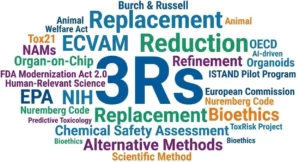
Word cloud illustration centered on the "3Rs" (Replacement, Reduction, Refinement), surrounded by key terms in alternative testing such as FDA Modernization Act 2.0, Organ-on-Chip, NAMs, ECVAM, and Bioethics.
The evolution of alternatives to animal testing: A 3R timeline...
For over a century, animal experimentation has served as the bedrock of biomedical research and toxicology. From elucidating basic physiolog...
Read more

They Trust Us

speak with our expert

Speak directly with one of our experts to see how our products and services can support your research project

As part of our commercial prospecting, we may need to process your personal data. For more information, please consult our Privacy Policy